Sea Turtle Release in El Salvador: A Meaningful Conservation Experience
Weeks of quiet work by hatcheries, park rangers and coastal communities end in a few unforgettable minutes.
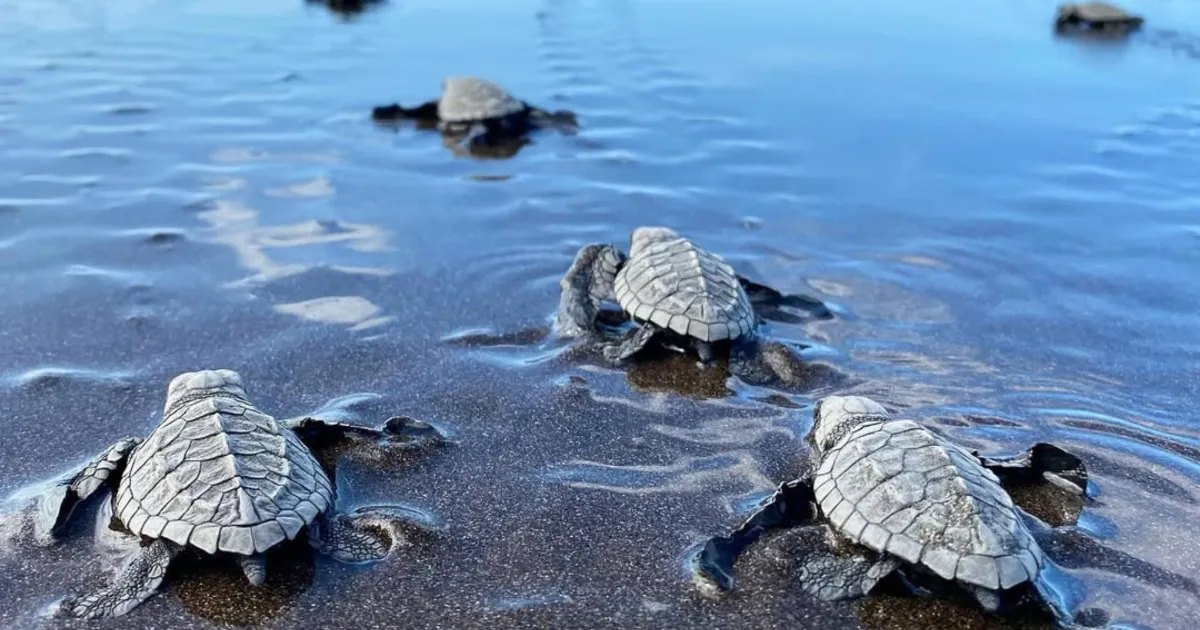
A hatchling weighs almost nothing. It fits in the palm of a child's hand, and the moment it touches wet sand it begins moving toward the water with a determination that is difficult to describe to anyone who has not seen it. What visitors witness in those few minutes is the end of a much longer process — and understanding that process is what turns a beautiful moment into a meaningful one.
A release is not an attraction — it is the last step of conservation work
Before a single hatchling reaches the sand, weeks of work have already taken place: authorized hatcheries, environmental organizations, park rangers and coastal families locating nests, protecting them and recording each clutch. On many Salvadoran beaches, eggs are transferred to protected incubation hatcheries because nests left in place face predators, tides, beach traffic and collection. Under protection, a nest incubates for approximately 50 days before the hatchlings emerge.
The four species that nest in El Salvador
El Salvador's Pacific coast receives four sea turtle species: the olive ridley, the hawksbill, the green or black turtle, and the leatherback. The olive ridley is by far the most common, and it is the species visitors are most likely to encounter at a release.
When are releases available?
Releases are commonly available from approximately August through January, following the natural nesting and hatching cycles along the coast. That timing is the key thing to understand: nobody controls when a nest hatches.
Where it happens
Responsible releases take place along protected stretches of coast, including areas such as Barra de Santiago, San Diego and El Tamarindo, along with other coastal conservation sites. Much of this work rests on coastal communities: local families who monitor nests, staff the hatcheries and keep the programs alive year after year. Participating only through authorized hatcheries or recognized conservation projects is what ensures your visit supports that work instead of interfering with it.
Guidelines for a responsible release
- Follow every instruction given by hatchery personnel
- Avoid camera flashes, strong lights and unnecessary artificial lighting
- Do not touch the hatchlings unless staff specifically ask you to
- Never throw or push a turtle toward the ocean — the crawl matters
- Never remove a turtle from the release area
- Keep children close and supervised at all times
- Respect the distance established by conservation personnel
- Leave the beach free of plastic and waste
The instruction that surprises visitors most is the one about the crawl to the water. That short journey is part of how a hatchling begins its life; shortening it does not help.
Why it matters for families
For children, this is environmental conservation stepping out of a classroom. They see the nest records, the hatchery, the people who do the work, and then they watch a living animal begin its life in the ocean. It usually becomes the story they tell first when they get home — and the reason they start noticing plastic on beaches everywhere else.
How we can include it in your itinerary
When releases are genuinely available, VIP Tours El Salvador can coordinate with responsible local conservation partners and include the activity in a private coastal itinerary, alongside beaches, mangroves and a sunset dinner. When nature or the hatchery schedule does not allow it, we will tell you honestly and build the day around everything else this coast offers. If you are planning coastal days, you may also want to read our Pacific coast beach guide or share your travel dates with us.