Coffee Culture in El Salvador: From Bourbon to Cup of Excellence
Coffee is not a beverage in El Salvador. It is an economy, a heritage, and — for a few families — a lifetime of soil and hand-picking that consistently lands beans on the Cup of Excellence podium.
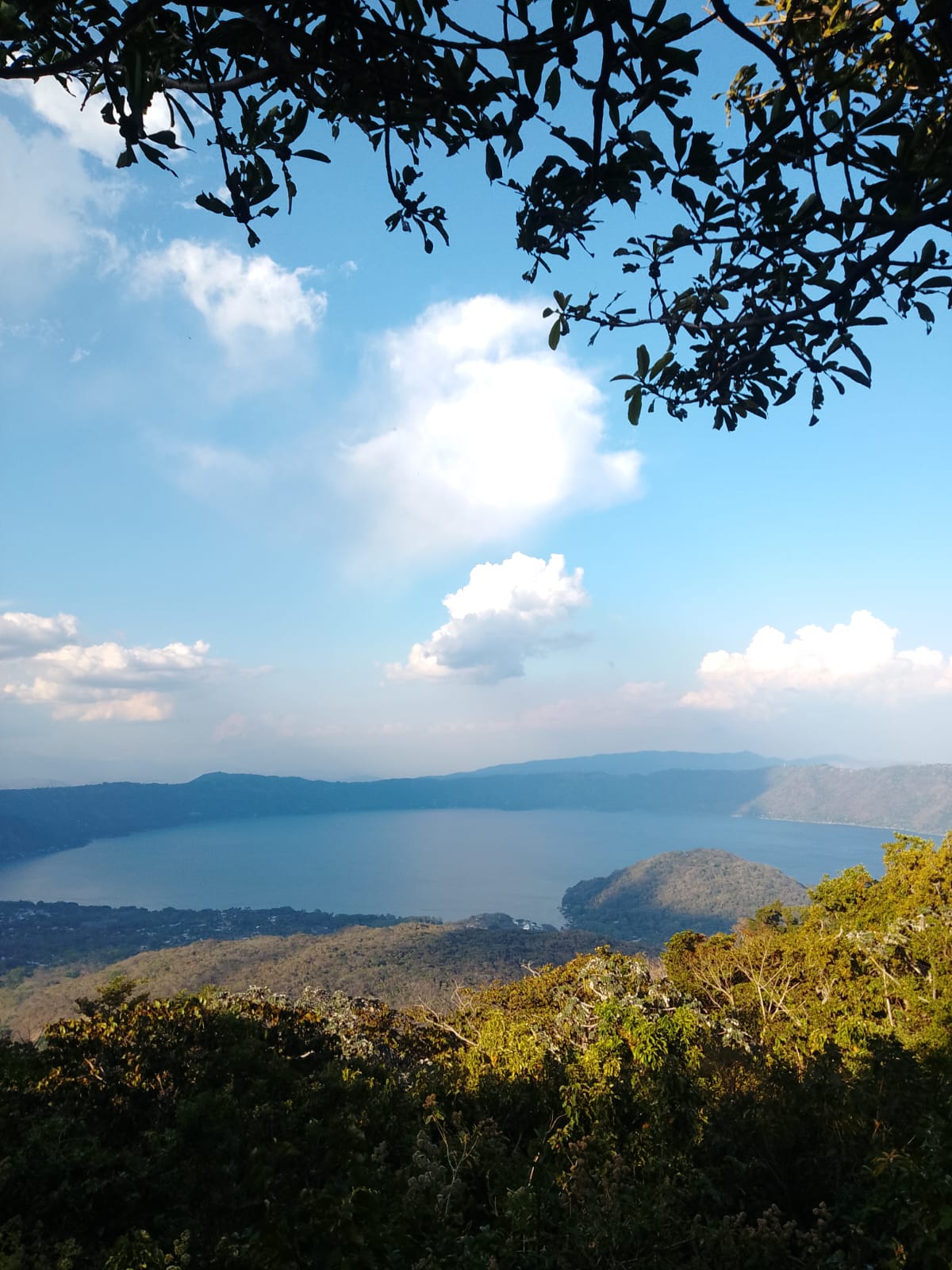
The Apaneca-Ilamatepec range in the west is the heart of Salvadoran coffee. Volcanic soil rich in minerals, altitudes between 1,200 and 1,800 metres, and a dry season that concentrates sugars in the cherry produce beans with the clarity, sweetness and floral notes that specialty roasters worldwide seek out.
El Salvador is also the birthplace of the Pacamara varietal — a cross of Pacas and Maragogype developed here. Pacamaras deliver enormous beans and a distinctive tropical fruit and stone-fruit profile. Bourbon Rojo remains the classical cup: balanced, chocolate, honey. Small-lot experiments with anaerobic fermentation are now regularly winning international auctions.
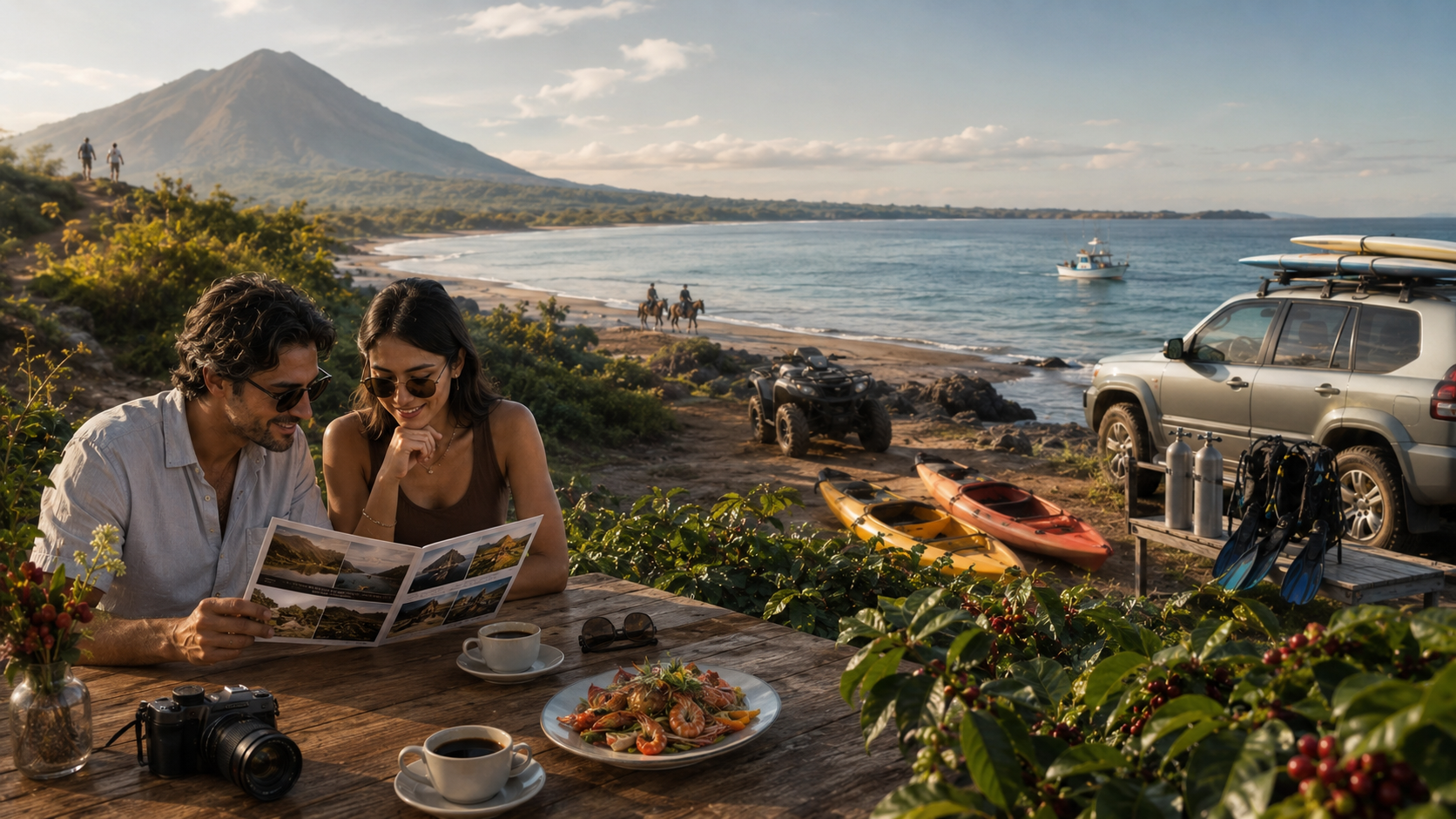
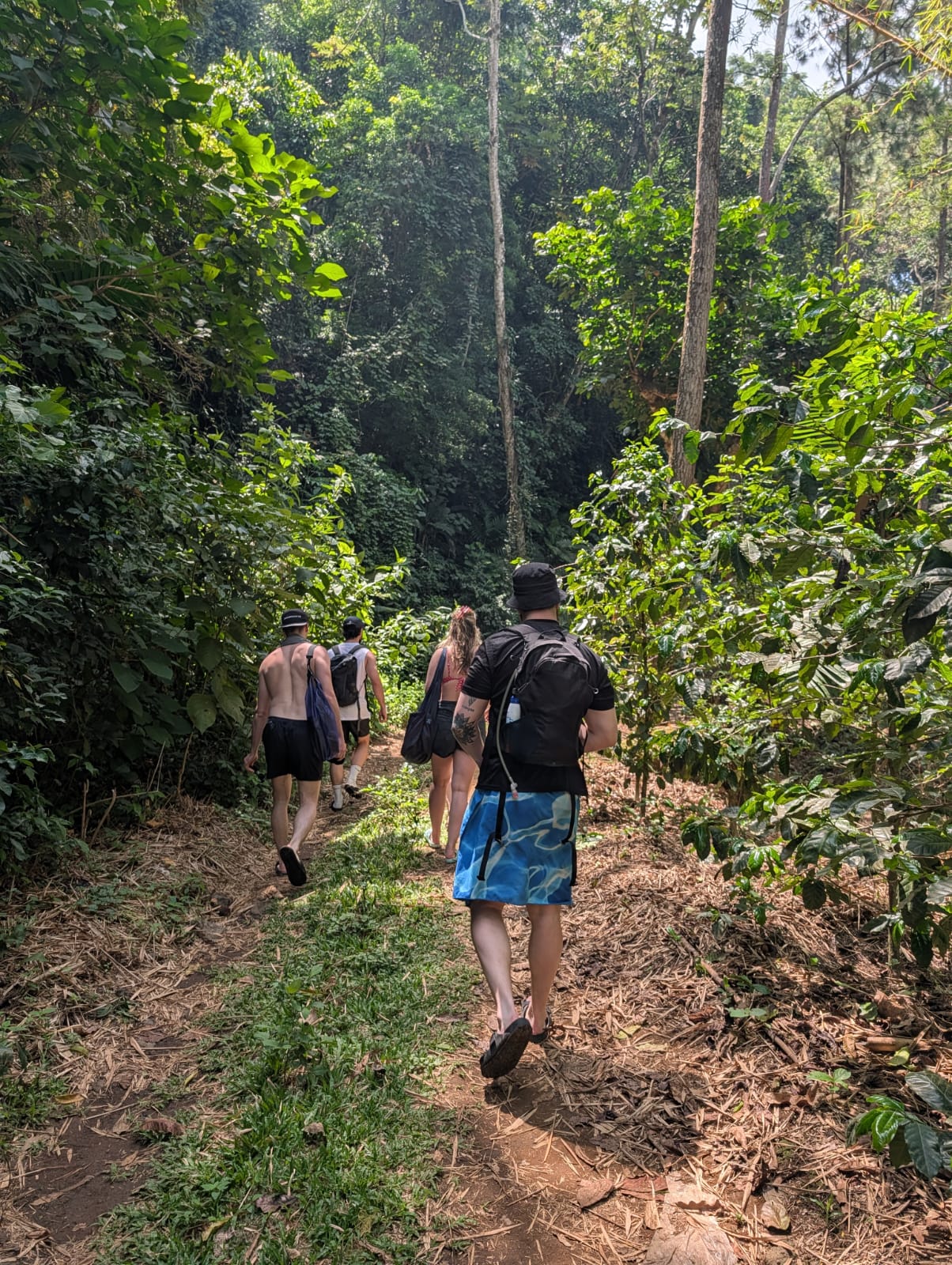
A visit to a finca is a slow, sensory day. Walk the coffee garden with the estate's agronomist, learn the difference between honey and washed processing, watch the beans dry on raised African beds, and finish with a cupping led by a certified Q-grader. You leave with a small bag of roasted beans and, more often than not, a much stronger opinion about your morning cup.
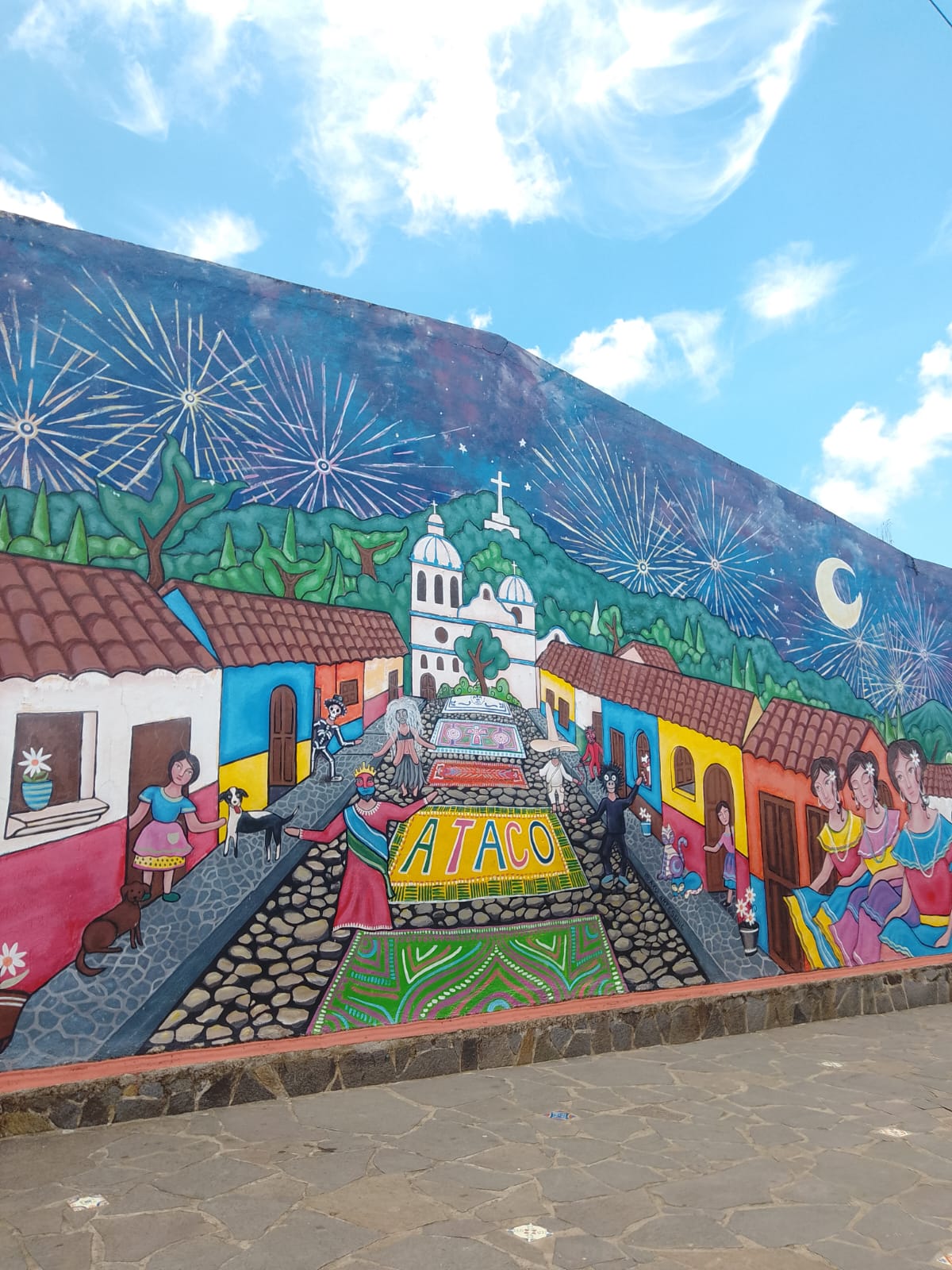
Our Ruta de las Flores day and our Santa Ana volcano day both include a finca visit — the volcano's slopes are literally covered in the coffee that supplies the estate. Best time to visit a coffee estate: December through March, during picking and processing. Off-season, cuppings are still available and the estates are quieter.
If you're drawn to the full path from cherry to cup, explore private coffee and cacao experiences.