A Traveler's Guide to Traditional Salvadoran Food
You cannot understand El Salvador without eating it. The kitchen here is small in geography and enormous in flavour — corn-first, with volcanic-soil vegetables, Pacific seafood, and a coffee culture that dates back to the 19th century.
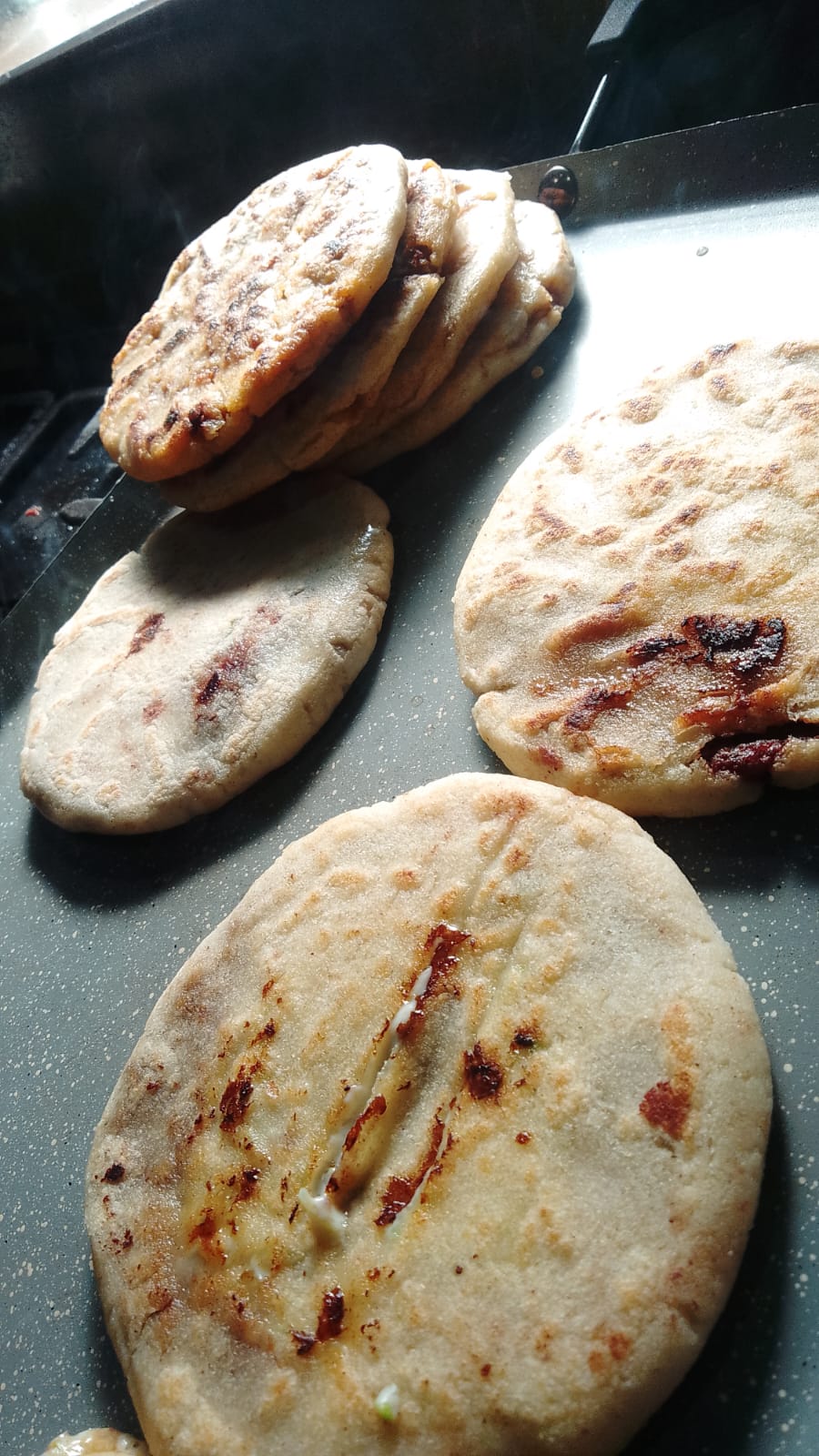
Pupusas are the national dish: a thick corn tortilla stuffed with beans, cheese, chicharrón, loroco (an edible flower), or ayote (squash). Always eaten by hand, always with curtido (fermented cabbage slaw) and salsa roja.
Yuca frita con chicharrón — fried cassava with crispy pork belly, curtido and lime, served on banana leaf.
Sopa de pata — a slow-simmered cow-foot soup with plantain, cabbage and yuca. A comfort dish, best on cool highland mornings.
Panes con pavo — hand-carved turkey rolls, dressed with tomato, cucumber, watercress and Salvadoran-style relish. A weekend staple.
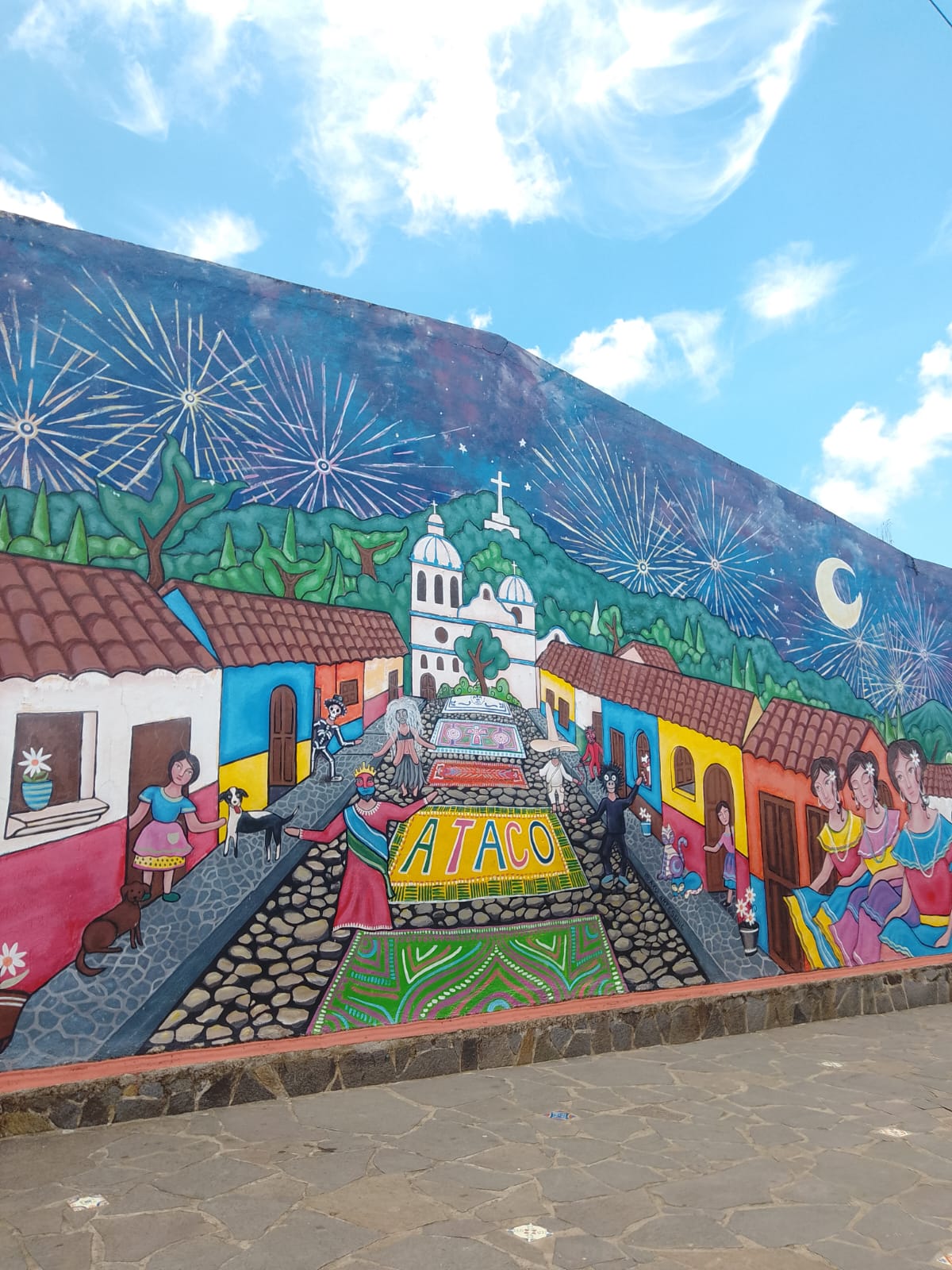
Empanadas de plátano — plantain empanadas filled with milk custard or beans. Best from a street cart in Ataco.
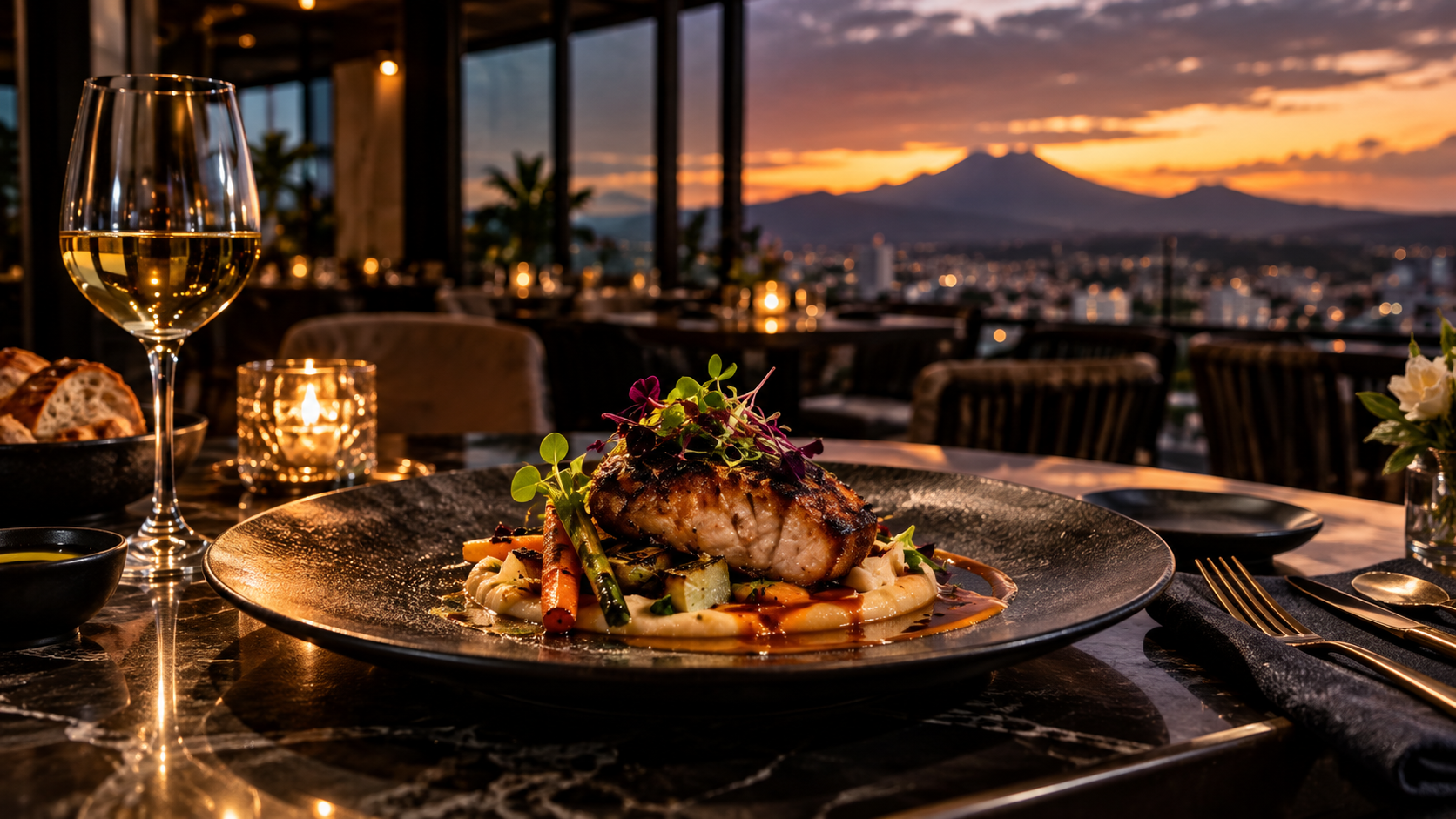
Ceviche de conchas — blood-cockle ceviche, sharp with lime. A Pacific coast specialty.
Tamales de elote — fresh corn tamales, sweet and creamy, sometimes served with sour cream.
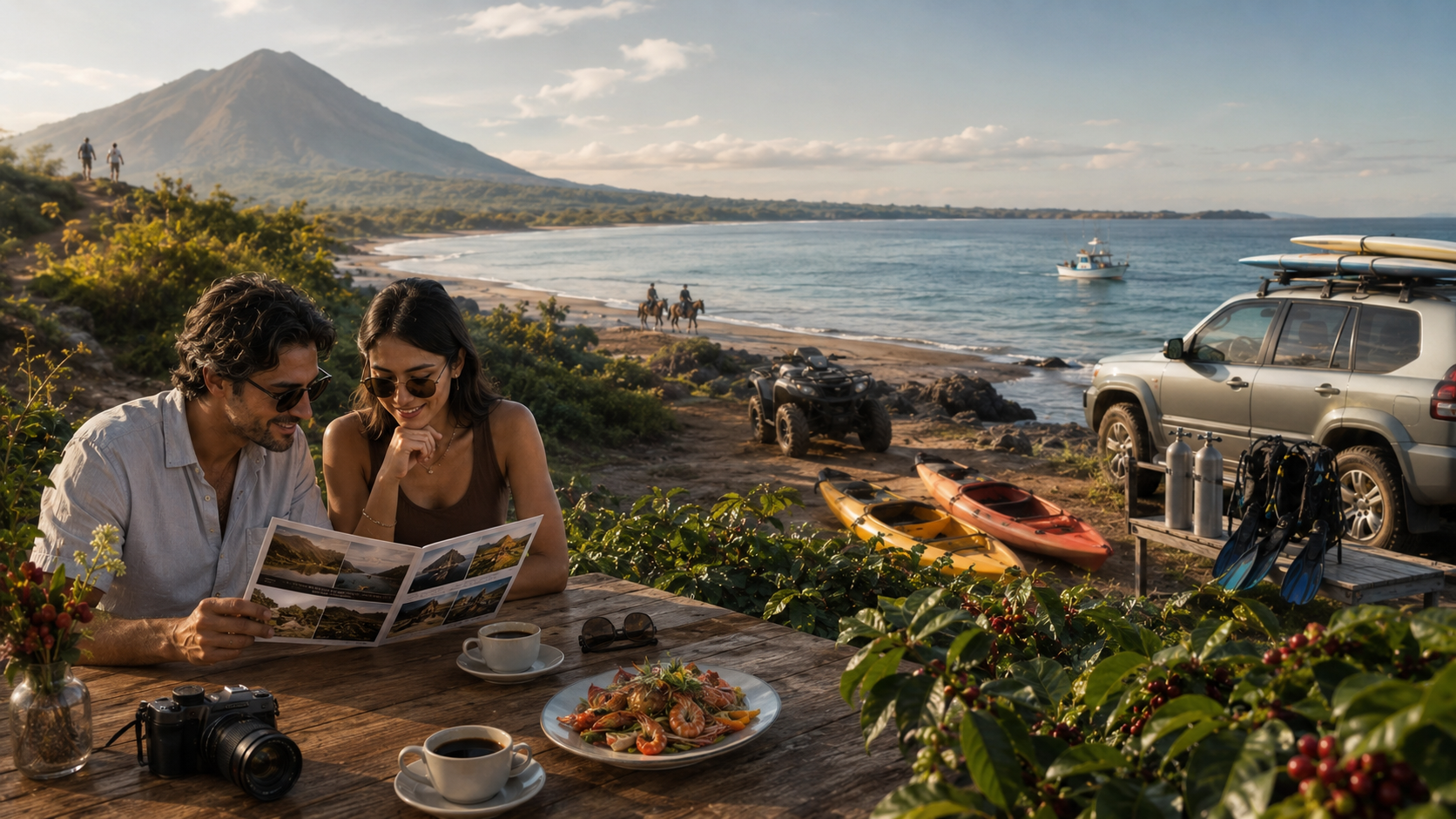
Café salvadoreño — El Salvador produces some of the world's most awarded specialty coffees, thanks to the volcanic soil of the Apaneca-Ilamatepec mountain range. The classic cup is a Pacamara or Bourbon, roasted medium, served black.
Where to eat, honestly: ask your guide to stop at a mid-morning pupusería, a market for tropical fruit, and a family comedor for lunch. Our Food + Culture day is designed exactly around this rhythm.
To turn these flavors into a private tasting day, explore private culinary experiences.